Crafting Your Ultimate Outdoor Escape: An In-Depth Guide to Rockery for a Naturalistic Pond and Waterfall
Imagine stepping into your outdoor space and being immediately transported to a place of profound tranquility. The air is alive with the gentle splash of water, the sunlight dances off the surface of a crystal-clear pond, vibrant aquatic plants offer a stark contrast to the rugged stone, and local wildlife visits for a sip. This vision of a personal garden oasis is not merely a dream; it is an attainable reality. The secret weapon in achieving this naturalistic perfection is the strategic implementation of a rockery—the time-honored art of arranging rocks and stones to mimic a mountain stream or a serene alpine environment. The right selection and careful placement of these geological elements can elevate a simple constructed basin into a thriving, self-sustaining ecosystem that offers both aesthetic beauty and improve personal well-being.
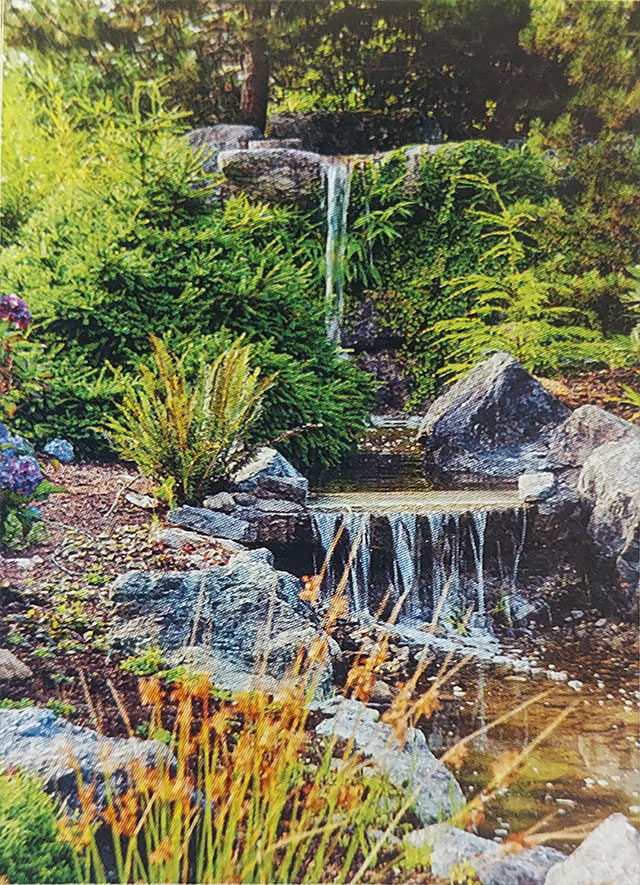 The allure of water features lies in their ability to engage multiple senses. The sound of water cascading over rocks is a natural stress reliever, a white noise machine provided by nature that helps melt away the day's anxieties. Visually, a well-designed rockery provides texture, contrast, and focal points, seamlessly blending the constructed feature into the surrounding landscape. By thoughtfully designing your rockery, you are not just building a pond; you are sculpting an experience, a personal sanctuary that looks as though it has existed for centuries.
The Unseen Advantages: How Rockery Builds a Balanced Ecosystem
Beyond their undeniable beauty, incorporating rocks and gravel into your pond and waterfall area provides crucial functional benefits that are essential for a healthy, balanced water feature. These elements are the unsung heroes of a low-maintenance, thriving pond.
A Solid, Lasting Foundation
The structural integrity of your pond and waterfall begins and ends with the rocks. Larger stones serve as the primary skeleton, defining the feature's shape, creating natural elevation changes, and effectively anchoring the pond liner to protect it from harsh UV light and potential punctures. The often-overlooked layer of gravel or pebbles that lines the bottom of the pond and stream is equally vital. It creates a robust protective barrier for the underlying waterproof membrane. This foundational use of rockery ensures your water feature is not just beautiful, but built to last, providing a stable and secure environment for all its inhabitants.
The Hidden World of Beneficial Bacteria
One of the most significant ecological roles of rockery is the enormous surface area it provides for microbial life. Unlike bare-bottom ponds which can accumulate unsightly muck and grime, a gravel base offers countless nooks and crannies where beneficial bacteria can colonize in vast numbers. These microscopic powerhouses are the natural filtration system of your pond. They work tirelessly to break down organic waste, such as fish excrement, decaying plant matter, and excess food, converting harmful toxins like ammonia and nitrite into less harmful nitrates, which are then absorbed by your aquatic plants as fertilizer. This natural biological filtration process is the cornerstone of clear, healthy water, drastically reducing the need for intensive mechanical cleaning and chemical treatments.
Nature's Aeration and Algae Management System
The movement of water over the varied surfaces of a rockery is more than just a pleasing sound; it is a vital life-support system. As water spills and cascades over weir stones and tumbles through a gravel streambed, it becomes highly oxygenated. This infusion of dissolved oxygen is critical for the survival and health of your fish and aquatic plants.
Furthermore, the constant, turbulent flow of water created by a well-designed rockery waterfall helps to discourage the growth of stagnant, unsightly blanket weed and free-floating algae. The moving water makes it difficult for algae to take hold and compete with the established aquatic plants for nutrients and sunlight. The result is a clearer, healthier, and more aesthetically pleasing pond environment.
A Safe Haven for Wildlife
The strategic placement of rocks mimics the natural habitats found in the wild. The resulting crevices, overhangs, and shaded areas offer essential shelter and safe havens for a variety of pond life. Fish use these areas to hide from predators, such as graceful herons or even domestic cats, and to rest in the shade during the hottest parts of the day. Beneficial insects, amphibians, and other micro-wildlife also find refuge and breeding grounds within the intricate structure of the rockery, contributing to the rich biodiversity of your personal ecosystem.
Selecting the Perfect Stones: A Geological Palette
To create a water feature that looks genuinely natural and endures for generations, careful rock selection is paramount. While combining different sizes is essential for visual interest and structural integrity, sticking to a single geological type across the entire feature provides the most cohesive, authentic appearance, as if the entire arrangement was carved by a single ancient force.
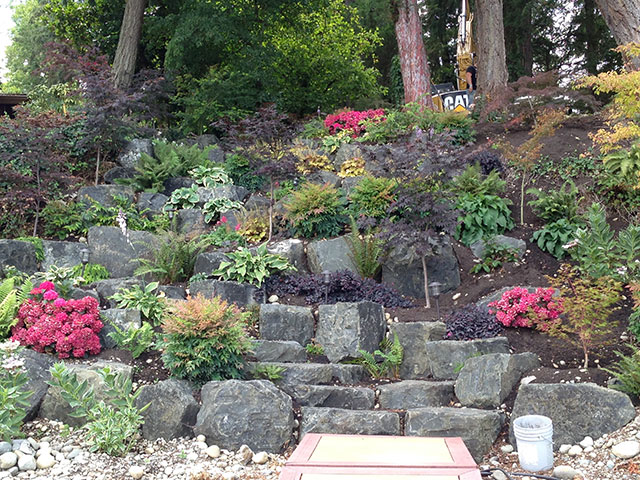 Waterfall Stones: Guiding the Flow
The waterfall is often the focal point of the feature, and the stones used here are critical for both aesthetics and function. These "framing" and "weir" stones guide the water's flow, ensuring a crisp, clean cascade. There are many options, B&R Enterprises specializes in Granite.
Pond and Stream Stones: The Understated Beauty
The rocks used for the pond's perimeter and the streambed are equally important and have functional implications for the health of the entire ecosystem. B&R Enterprises uses river rock and gravel.
Mastering the Art of Placement: Pro Tips for Building Your Water Feature
The way you place your rocks is what truly differentiates a pile of stones from a naturalistic rockery. The most successful designs are those that subtly mimic the patterns found in the wild.
The most successful rockery and water feature designs are ultimately those that draw inspiration directly from natural environments. By carefully choosing the appropriate rocks, understanding their ecological benefits, and arranging them with intention and a nod to natural processes, you can create a beautiful, tranquil garden escape that benefits not only your landscape's aesthetic but also your personal well-being.
Creating this kind of enduring, natural masterpiece requires expertise, the right heavy machinery, and a deep understanding of water feature dynamics. B&R has decades of experience constructing breathtaking ponds and waterfalls and would be thrilled to work with you to take your ideas from a simple concept to a stunning, tangible reality. With our specialized rock-setting machines, various sizes of excavators, loaders, bulldozers, dump trucks, and trailers, we are equipped to handle any project, material, or space constraint. Contact us today and let us help you plan and build your personal oasis!